

The ICMol participates in the new Universitat de València spin-off
The Universitat de València has today, Friday the 19th, created the knowledge-based company, or spin-off, Desarrollos Enzimáticos SL, in which the institution holds an equity stake. The company will focus on the development of enzymatic active compounds with antibacterial properties aimed at ensuring food safety through applications on processing surfaces, equipment and food. These products offer an effective and biodegradable alternative that reduces the risks associated with the use of toxic chemical compounds.
A spin-off bases its activity on the exploitation of patents or results generated by research funded totally or partially with public funds and carried out at universities. To enable such exploitation, a patent licence agreement has been signed by the Universitat de València, the Consejo Superior de Investigaciones Científicas (CSIC) and the Universitat Politècnica de València, co-owners of the patent, in favour of the spin-off.
The company’s activity will be based on the development of biodegradable enzymatic disinfectants with high antimicrobial efficacy for non-food detergents as well as products with applications in the food sector. The main distinguishing feature of these disinfectants is their ability to adapt to the specific needs of customers, while maintaining a strong focus on sustainability and food safety.
The research results are jointly owned by the CSIC, the Universitat de València and the Universitat Politècnica de València and correspond to the European patent application No. EP24383069, entitled “Combination of endolysin and glucose oxidase and uses thereof”, co-owned by the Consejo Superior de Investigaciones Científicas, the Universitat Politècnica de València and the Universitat de València.
Antimicrobial resistance (AMR) is one of the major current challenges for global public health, with a growing impact on human, animal and environmental ecosystems. The presence of pathogens that pose a critical threat to food safety, together with the excessive use of chemical disinfectants, has exacerbated resistance and raised environmental and human health concerns.
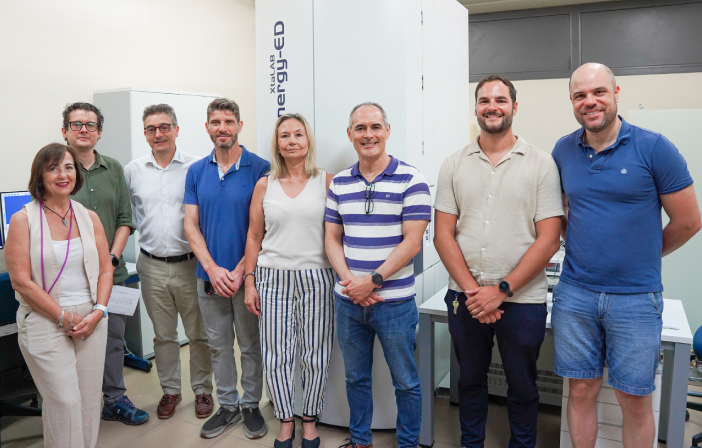
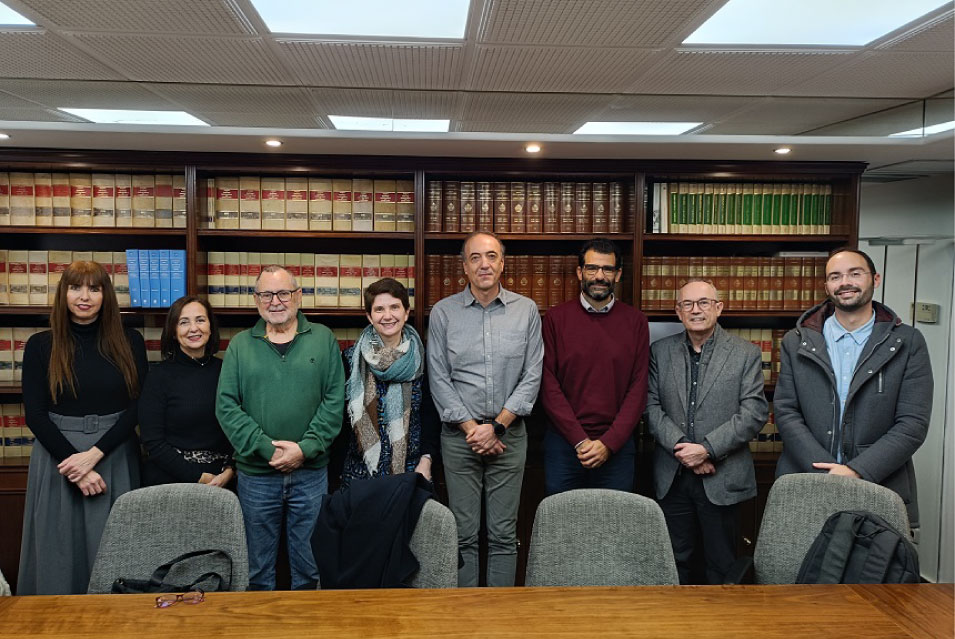
Desarrollos Enzimáticos SL (commercially known as ZYMOTOPIA) includes as partners the inventors of the patent: Julia Victoria Marín, Professor in the Department of Biochemistry and Molecular Biology at the Universitat de València; Julio Polaina, former CSIC scientist; and David Talens, currently a CSIC researcher, members of the Molecular Engineering of Enzymes Group at the Institute of Agrochemistry and Food Technology (IATA-CSIC); as well as José Antonio Darós, Head of the Plant Virus Laboratory at the IBMCP (UPV-CSIC joint centre). Antonio Alberola, Head of the Transfer Area at the Institute of Molecular Science (ICMol), also takes part in this initiative, contributing a commercial and business-oriented perspective to support the valorisation and market deployment of the spin-off’s developments.
Advantages and challenges
The advantages of these new alternatives, which are expected to be less harmful to the environment, include greater technological flexibility, sustainability, efficiency and food safety. However, they also face challenges arising from an increasingly demanding regulatory framework, as well as market and consumer pressures that hinder their adoption and implementation in regulated environments.
.jpg)