

HomeTech Transfer
About Us
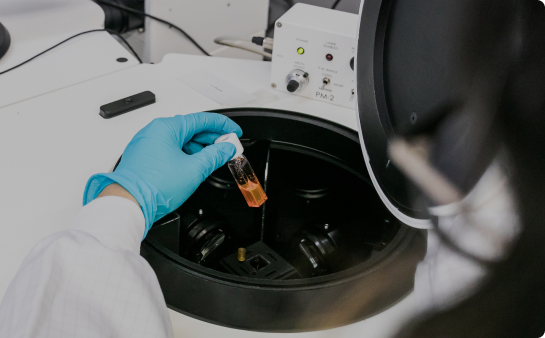
In recent years, and without neglecting fundamental research, ICMol has devoted great effort and many resources in bringing scientific excellence to the industrial fabric, supporting applied research and innovation. The creation of a Scientific Innovation Unit at the center, supported and funded by the Valencian Innovation Agency (AVI) since 2018, has been a turning point in the transfer activity.
Technologies

Energy
+INFORMATION

Electronics
+INFORMATION

Sustainability
+INFORMATION

Health
+INFORMATION
Cartera PI
Let’s build innovation together
Spinoff

PMA is the first Spanish company dedicated to the production and valorization of MOF-type materials.
The company's objective is the development and commercialization of products, processes and services based on the use of MOF type materials.
https://porousinaction.com/
The company's objective is the development and commercialization of products, processes and services based on the use of MOF type materials.
https://porousinaction.com/

Matteco's revolutionary patented technology sets a new performance standard for catalysts and electrodes in alkaline and AEM electrolysis.
Our solutions help significantly reduce the opex and capex required for hydrogen production. By transforming electrolysis economics, we help electrolyzer manufacturers and plant developers reach their target levelized cost of hydrogen (LCOH).
https://matteco.com/
Our solutions help significantly reduce the opex and capex required for hydrogen production. By transforming electrolysis economics, we help electrolyzer manufacturers and plant developers reach their target levelized cost of hydrogen (LCOH).
https://matteco.com/
Team



Next Event
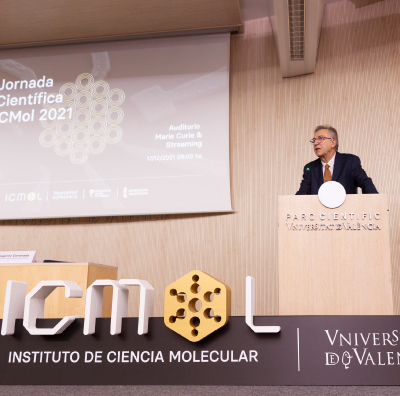
Scientific Conference ICMol 2026
SAVE THE DATE

Dec 11, 2026
 09:00h - 17:00h
09:00h - 17:00h  Assembly Hall - ICMol
Let's talk about transfer
News
VIEW ALL NEWS