
Today at ICMol: Researchers bring science closer to society through interactive
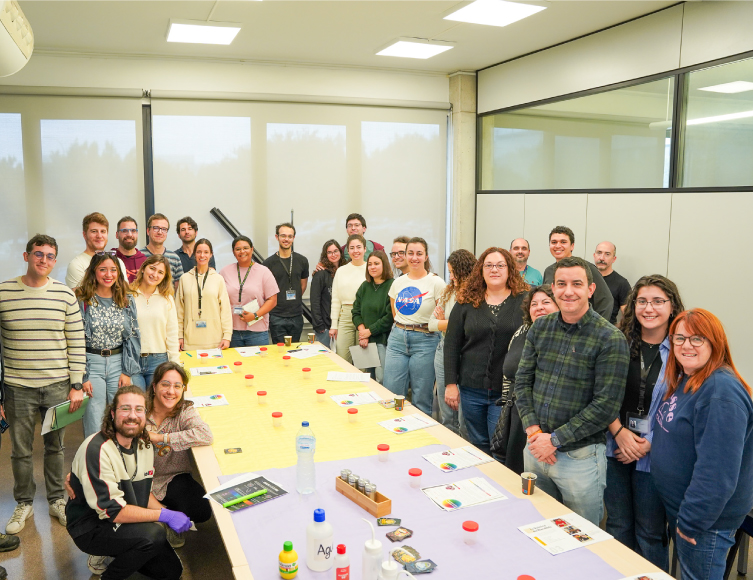
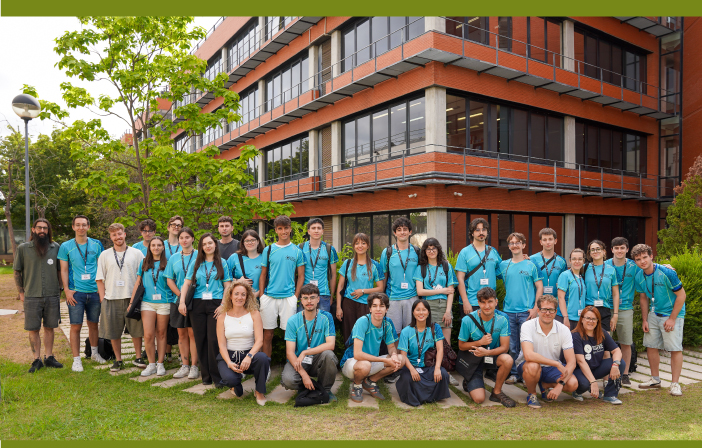
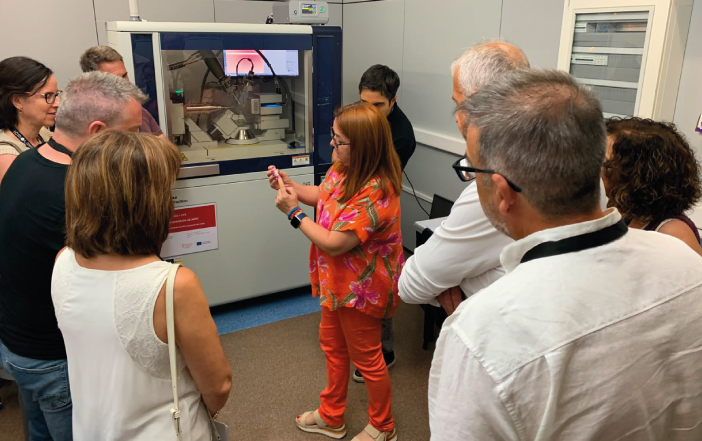
This morning, the Institute of Molecular Science (ICMol) hosted an enriching training session in which several researchers shared their expertise through workshops designed to bring science closer to society in a dynamic, practical, and engaging way. The activity, aimed at both internal staff and collaborators, sought to strengthen the science outreach efforts that the institute carries out throughout the year.
The workshops presented were:
-
The Power of the Invisible: Alicia Forment, Ángel López, and Garin Escorcia explored everyday phenomena that often go unnoticed, sparking curiosity and observational skills.
-
Nano Kit for Classrooms: Eduardo Andrés García presented educational resources to introduce nanotechnology concepts in schools, making the tiny world accessible to students.
-
Slime: Alejandra Soriano Portillo and Raquel Eugenia Galian Baca explained the chemistry of polymers through the creation of slime, demonstrating how a playful experiment can become a learning tool.
-
Selective Salt Shaker: Iván Gómez Muñoz and Alejandro García Regueiro invited participants to understand the properties of materials through a hands-on workshop that combines science with experimentation.
-
The Rainbow of Red Cabbage: Carmen Fernández Conde and Beatriz Meana Baamonde showcased how to use natural indicators to explore the acidity and basicity of substances, surprising the audience with the color changes of red cabbage extract.
These workshops are part of ICMol’s commitment to science outreach and education—initiatives aimed at inspiring scientific vocations from an early age and fostering curiosity among the public. Throughout the year, the institute actively participates in major events such as Expociencia, The European Researchers' Night, Igualment Fest, and organizes activities in schools as well as guided tours at its facilities, offering students and the general public the opportunity to explore the fascinating world of nanoscience up close.
With over 300 members from more than 30 countries, ICMol is an internationally renowned research center that not only leads investigations in chemistry, physics, and engineering but also considers it essential to share the knowledge generated with society, promoting a scientific culture accessible to everyone.
.jpg)